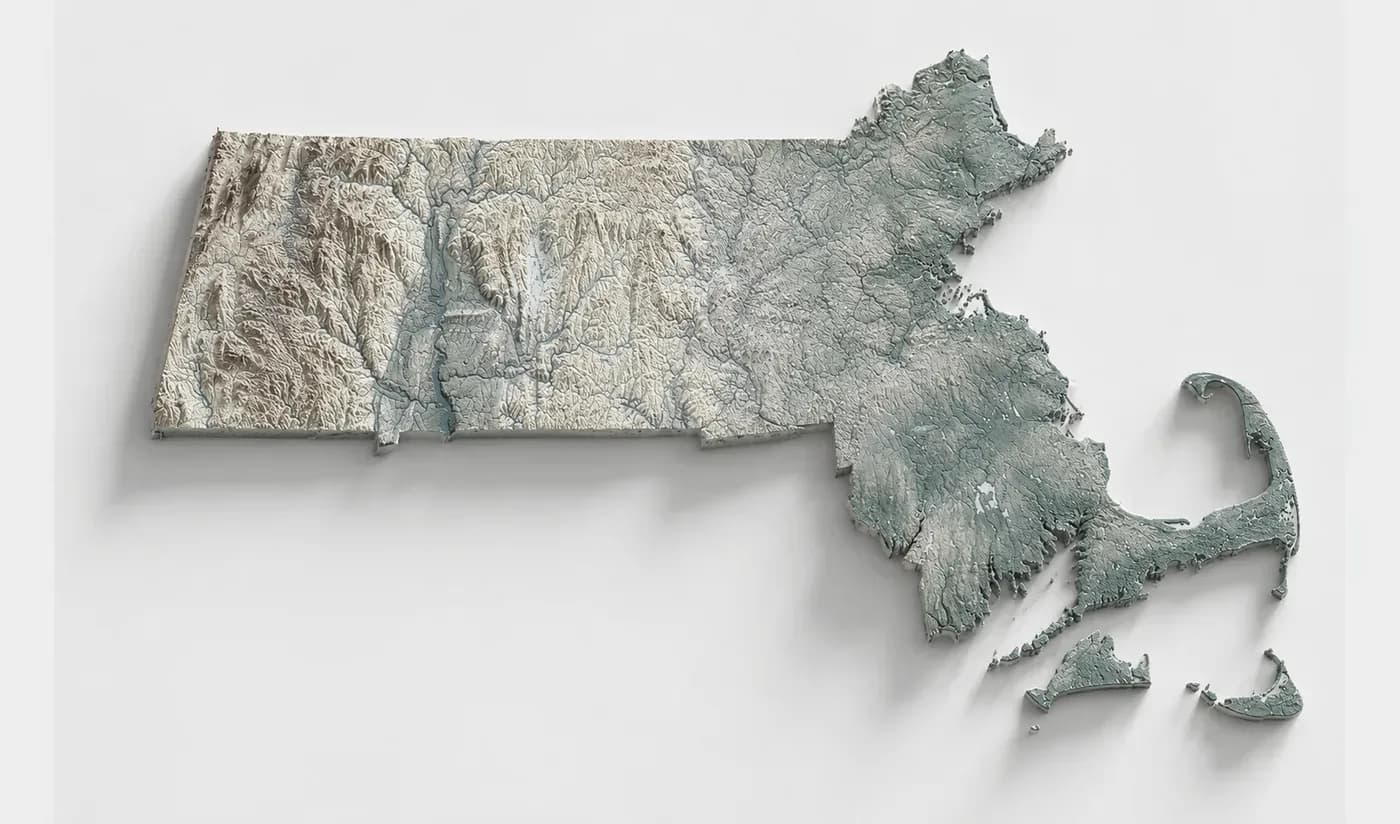
Established capability
U.S. Capability Ecosystem
Public institutions · Universities · Industry · Engineering · Technology · Workforce systems · Advanced services · Capital
ALBRIX · Regional industrialization
ALBRIX brings together governments, industry, entrepreneurs, universities, workforce systems, technology providers, and risk capital to build high-performance industrial economies capable of competing globally.
We originate, structure, finance, commercialize, deploy, and scale regional industrial platforms that convert economic potential into companies, infrastructure, jobs, technology, productive capacity, and long-term competitiveness.
01How ALBRIX works
ALBRIX develops region-scale industrial platforms that align government, industry, entrepreneurs, universities, workforce systems, technology providers and capital around a regional industrialization strategy.
We begin with the region: its people, industries, infrastructure, institutions, natural and productive assets, market demand and competitive advantages. We then structure and mobilize the infrastructure, industrial capabilities, enterprises, supply chains, talent, technology and capital required to accelerate productivity and build globally competitive industries.
Illustrative scenes of the platform development process.
The platform grows through a portfolio of connected investments and productive systems: infrastructure, industrial hubs, special economic zones where appropriate, project companies, supplier networks, workforce institutions and commercial partnerships. Each participant contributes capability and gains new economic opportunity as the region becomes more productive, investable and competitive.
ALBRIX develops these elements as one regional industrialization platform and scales the resulting industries, enterprises and infrastructure over time.
02Connected economies
ALBRIX links the strengths of established industrial and innovation ecosystems with the economic potential of regions seeking to expand productive capacity, infrastructure, enterprise growth and global competitiveness.
Public institutions · Universities · Industry · Engineering · Technology · Workforce systems · Advanced services · Capital
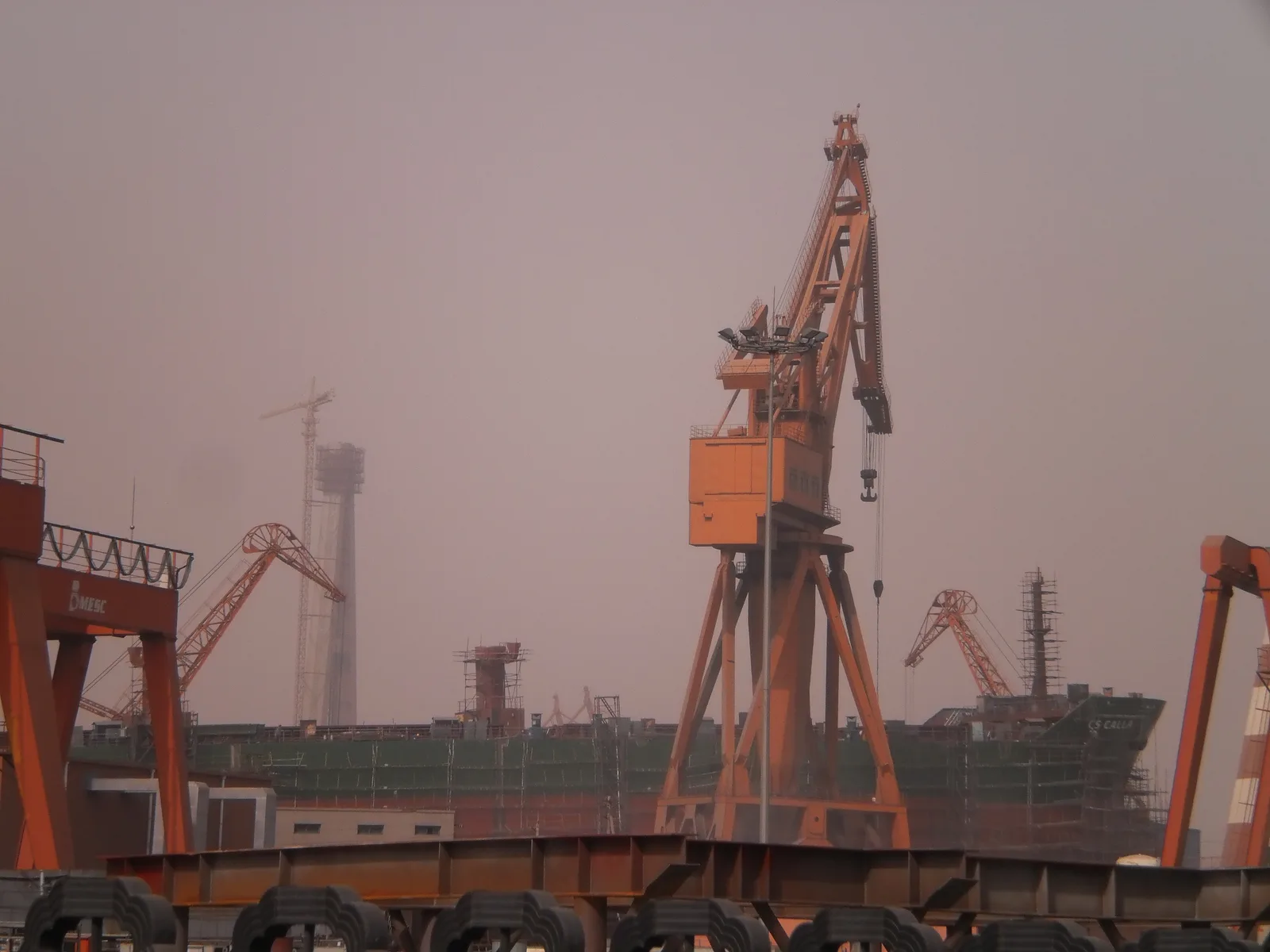
Enterprises · Entrepreneurs · Talent · Productive assets · Infrastructure · Regional markets · Growing demand
Shipbuilding reference: Tianjin, China · Arrorro / Wikimedia Commons · CC BY-SA 3.0 · Resized and cropped. Reference imagery does not represent an ALBRIX project.
Across the platform, public institutions, universities, industry, engineering, technology, workforce systems, advanced services and capital connect with regional markets, enterprises, entrepreneurs, talent, productive assets, infrastructure opportunities and growing demand.
ALBRIX structures these complementary capabilities into regional industrial platforms that create new industries, enterprises, infrastructure, supply chains, jobs, markets and investment opportunities across participating economies.
Connected strengths. Shared opportunity.
Regional transformation accelerates when local assets and market opportunities are connected with the industrial capabilities, technology, expertise and capital required for execution.
ALBRIX develops that connection into physical and productive capacity: infrastructure supports industry, industry creates demand for suppliers and skills, enterprises expand markets and employment, and successful investments create the foundation for continued regional growth.

03Environmental intelligence & eDNA
Before any water is touched, we read the ecosystem. eDNA — environmental DNA — is the science that lets us do it. From water samples, we establish an ecological baseline, monitor before and after dredging, track biodiversity, and guide restoration. It protects the public trust and creates a continuous record of the health of Benin’s lakes, lagoons, rivers, channels, canals, wetlands, and coastlines.
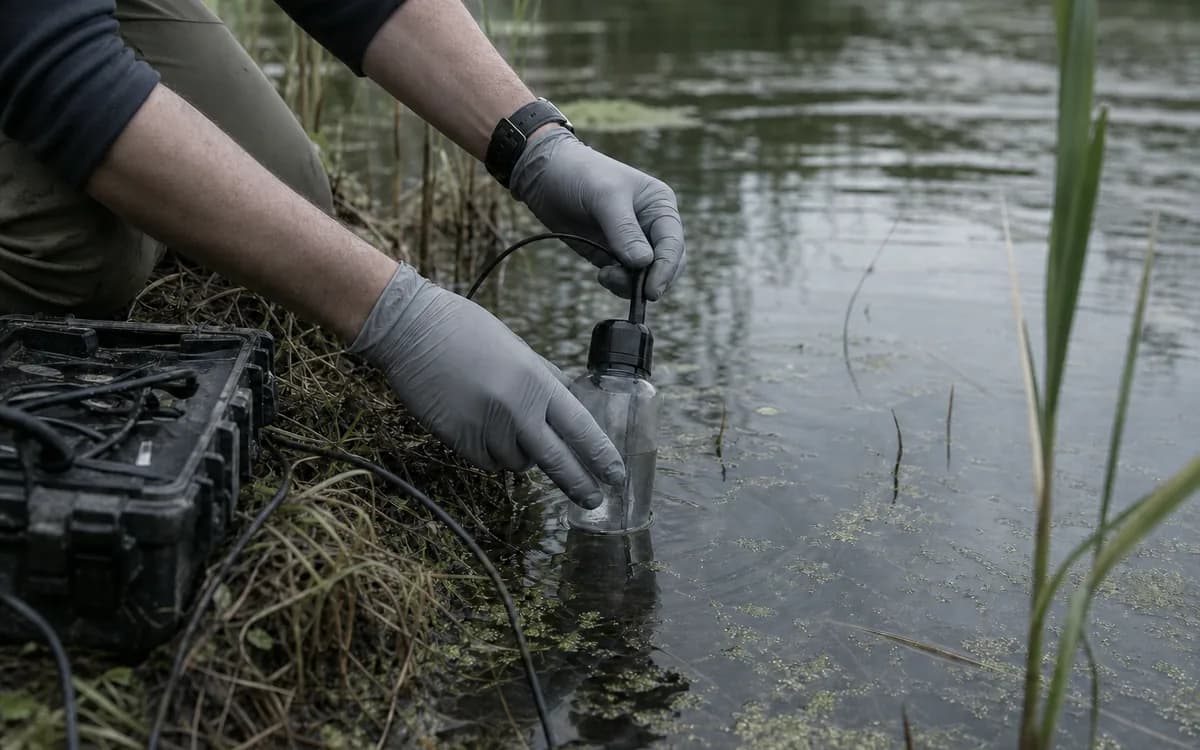
This is a permanent water-health data layer for Benin. It starts with Lake Ahémé, Chenal Aho, Mitogbodji, Grand-Popo, and Mono-Couffo, and eventually supports every ALBRIX water initiative in the country.
04Blue Economy & Industrial Food Systems
Lakes, rivers, lagoons, coastlines and ocean areas can become foundations for productive regional economies when science, infrastructure, industry, enterprise, technology and capital are developed together.
ALBRIX develops blue-economy platforms that connect environmental intelligence, industrial aquaculture, fisheries, ports, navigation, processing, cold chain, maritime services, waterfront development, agriculture and commercial markets into an integrated production system.
The objective is to convert natural and coastal assets into food production, enterprises, infrastructure, jobs, industrial capability, investable places, tourism, trade and long-term regional competitiveness.
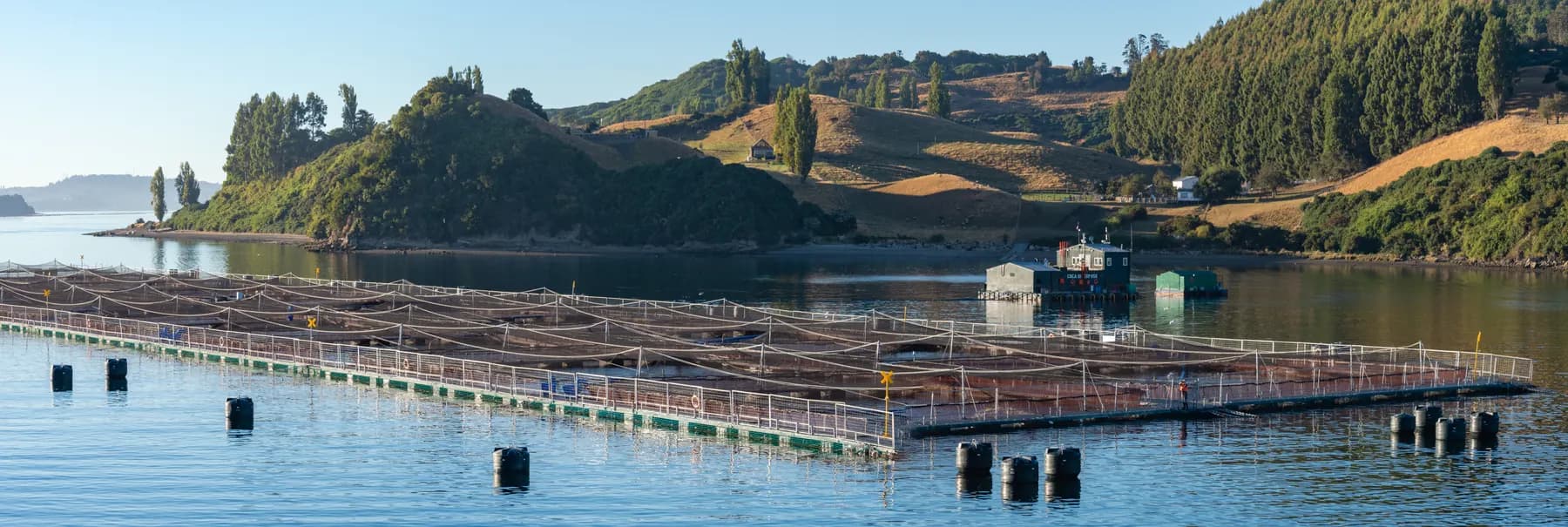
Ocean, coastal and inland aquaculture can support hatcheries, production systems, feed, fish health, marine technology, specialized vessels and industrial-scale seafood production.
Marine fish, shellfish, shrimp and other commercially viable species can support integrated industries spanning production, technology, processing, logistics and regional food security.
Fishing and aquaculture become stronger industries when connected to landing infrastructure, processing, refrigeration, ice, packaging, quality systems, traceability, warehousing and export logistics.
The result is a food-production system capable of creating enterprises, supplier demand, investment opportunities and access to larger regional and international markets.
Ports, waterways, landing infrastructure, dredging, vessels and logistics systems move people, seafood, agricultural products, industrial inputs, equipment and finished goods between production centers and commercial markets.
Navigation and marine infrastructure become productive components of the regional economy.
Lakefront and waterfront development can combine commercial districts, housing, hospitality, marinas, markets, restaurants, research facilities, public spaces, tourism, education and cultural institutions around productive water assets.
Well-designed waterfronts create new destinations while supporting businesses, residents, visitors and investment.
Vessel services, fabrication, maintenance, marine equipment, refrigeration, logistics, aquaculture support, environmental monitoring and specialized technical services create recurring economic activity around the productive use of water.
Fishing and aquaculture also create demand for commercial fishing vessels, refrigerated craft, aquaculture service vessels and workboats, directly connecting the blue economy to shipbuilding and marine industry.
Water infrastructure can strengthen irrigation, agriculture, food processing and rural enterprise while improving the movement of agricultural products into regional markets.
Irrigation systems, agricultural technology, storage, processing and logistics connect the blue economy with the broader regional food and production system.
Civic, Industrial & Knowledge Assets
A signature institution exploring the science, engineering, history and future of water, connecting hydrology, water infrastructure, navigation, environmental restoration, irrigation and emerging water technologies.
A living institution connecting traditional agricultural knowledge with irrigation engineering, modern agriculture, food systems, agricultural technology and future productivity.
An industrial institution exploring how metals become vessels, infrastructure, machinery and manufactured products. Exhibits and learning spaces can connect ironmaking, steel, aluminum, foundry work, welding, fabrication, machining, materials science, shipbuilding and advanced manufacturing.
Together, these institutions can function as educational assets, tourism destinations, research platforms, workforce-development resources and civic landmarks within broader waterfront and regional development.
The blue economy becomes an industrial system when science guides development, water supports production, infrastructure enables movement, waterfronts create places for investment, agriculture expands through productive water use, industry generates demand for suppliers and skills, and enterprises connect regional resources to commercial markets.
ALBRIX develops these capabilities as part of the wider regional industrialization platform, creating the conditions for production, enterprise formation, investment, trade and regional value creation to expand over time.
05Energy, Fuels & Productive Infrastructure
Every region has its own combination of industries, population centers, infrastructure, natural resources, commercial demand and growth opportunities. ALBRIX develops the energy architecture around that regional economy.
Generation, fuels, storage, grid infrastructure and energy logistics are connected with the productive systems they serve: shipbuilding, manufacturing, ports, aquaculture, food processing, agriculture, logistics, industrial districts, waterfront development, digital infrastructure and growing cities.
The objective is a reliable, competitive and scalable energy system that supports new industries, enterprise formation, large-scale job creation, capital investment and the physical transformation of the region.
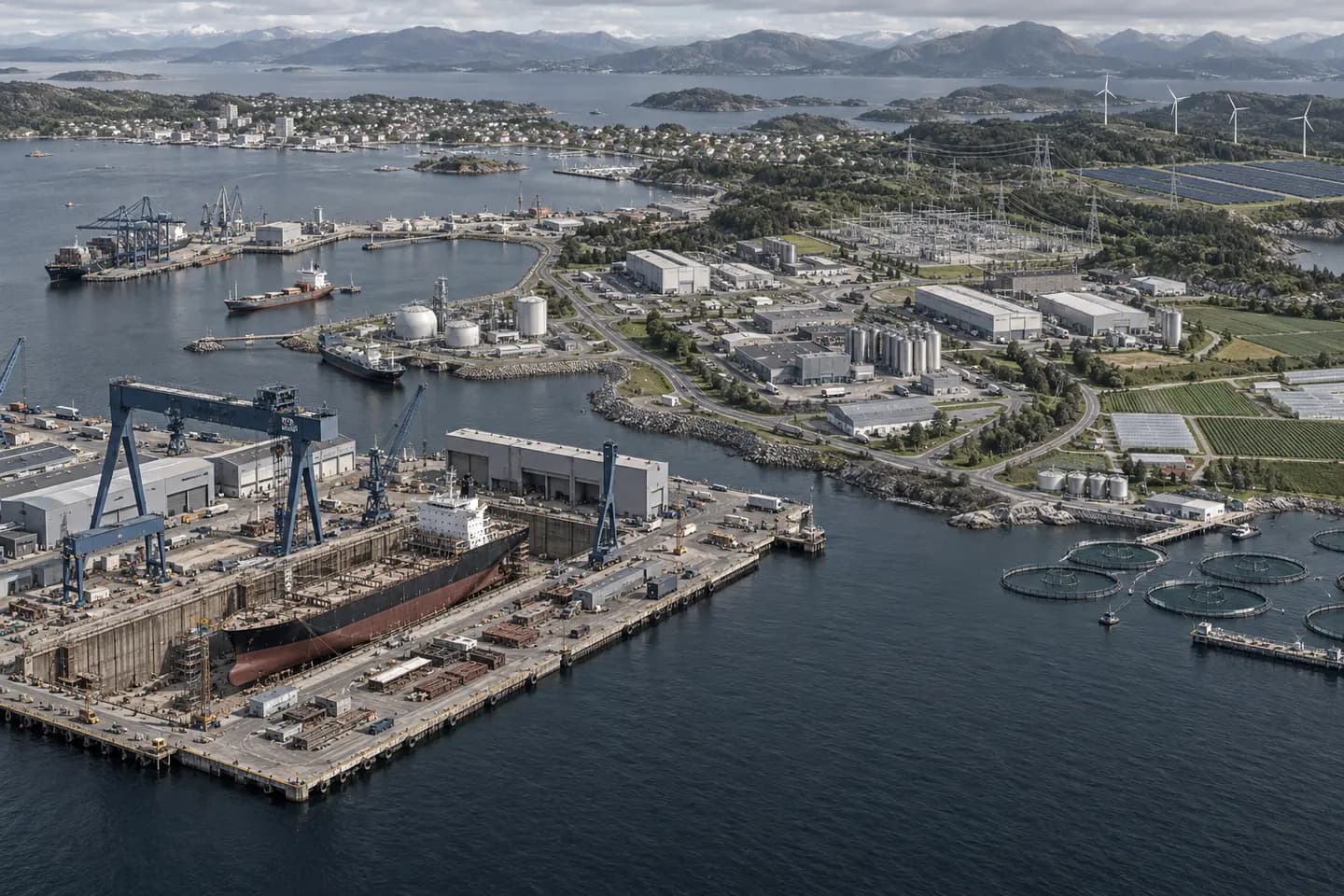
ALBRIX evaluates the mix of energy sources, fuels, infrastructure and distribution systems against industrial demand, resource conditions, reliability, economics, logistics, resilience and long-term regional growth.
Different regions require different combinations. The platform can integrate multiple energy pathways into one productive system.
Algae biofarms can connect biological production with industrial processing to produce crude algae oil for downstream biofuel pathways, high-protein co-products for animal and aquaculture feed, and other commercially valuable outputs.
The opportunity extends into engineering, processing, laboratories, logistics, equipment, maintenance, technical services and enterprise formation, creating connections between energy, agriculture, aquaculture and manufacturing.
Solar, wind and geothermal resources can contribute to a diversified regional energy system where resource quality, site conditions, economics and industrial demand support deployment.
These resources can provide power for industrial districts, manufacturing, ports, processing facilities, cold chain, agriculture, commercial development and digital infrastructure.
Regional grids, industrial microgrids, storage, digital controls and resilient backup systems connect generation with the places where economic activity occurs.
Reliable electricity supports shipyards, factories, processing plants, refrigeration, logistics centers, laboratories, commercial districts and digital infrastructure, allowing productive assets to operate and scale.
LNG and LPG terminals, storage, distribution and logistics can provide firm energy for industrial production, marine operations, transportation, power generation and commercial activity.
Ports, storage facilities, distribution networks and industrial customers become part of a wider regional energy and logistics system.
Reliable and competitive energy allows new industries to emerge, existing enterprises to expand and major productive investments to move into operation.
Shipbuilding creates demand for fabrication, engineering and suppliers. Aquaculture creates demand for vessels, feed, processing and cold chain. Manufacturing creates demand for utilities, logistics and skilled labor. Ports connect production with regional and international markets.
As these activities compound across the territory, the physical economy changes through new industrial facilities, shipyards, processing plants, terminals, logistics systems, commercial districts, infrastructure and enterprises.
ALBRIX develops energy as part of the wider regional industrialization platform so that infrastructure, industry, enterprise formation, capital investment and job creation reinforce one another across the region.
06Engage with the platform
ALBRIX brings together the institutions, companies, capabilities and capital required to accelerate the industrial development of regions.
Whether you represent a government, industrial company, university, development institution, entrepreneur, technology provider or capital provider, tell us where you operate, what you bring and what you want to build.
We use that information to identify how your organization can participate in the development of new industries, infrastructure, enterprises, workforce capabilities, productive assets and investment opportunities across regional industrial platforms.
contact@albrix.coGovernment · Industry · Institutions · Universities · Entrepreneurs · Capital
The A-Team
Governments create the enabling environment. Industry builds productive capacity. Entrepreneurs create enterprises. Universities and workforce institutions develop knowledge and talent. Technology providers bring specialized capability. Development institutions and capital partners help mobilize investment and scale.
ALBRIX aligns these participants around the economic opportunity of the region and develops the platform through which industries, enterprises, infrastructure, capabilities and capital can grow together.

